

Is Your Home Truly Blackout-Proof? Making the Right Backup Power Choice
Problem: You’re settling in for the evening, the air conditioner is humming, and suddenly—silence. Another blackout hits, courtesy of an Australian storm, grid instability, or summer heat load. You feel that familiar knot of frustration: the food in the fridge is starting to warm, and the internet is gone.
Agitation: The thought of spending hundreds on a generator that smells of fumes, needs constant refuelling, and wakes the neighbors is unbearable. But the quoted price for a sleek home battery leaves your jaw on the floor. You know you need reliable backup, but the confusion between the options is stopping you from acting.
Solution: Stop agonizing. We’ve done the deep dive into the costs, convenience, and capabilities of the two main backup power options for Australian homes: home batteries and generators. This authoritative guide will cut through the noise, providing clear, scenario-based advice so you can make the definitive choice to secure your home.
Table of Contents
- Battery or Generator?
- Home Battery Systems: The Quiet Powerhouse
- Standby and Portable Generators: The Reliable Workhorse
- The Head-to-Head Comparison: 7 Crucial Factors
- Scenario-Based Verdict: Which One Should YOU Choose?
- Conclusion: Securing Your Peace of Mind
- FAQs
Battery or Generator?
If you own solar and want silent, automatic backup for essential circuits, a home battery is the superior choice. For households with no solar seeking the lowest upfront cost and the ability to run heavy appliances for an extended, multi-day period, a diesel or petrol generator is the most practical option. The choice depends primarily on your existing solar setup, budget, and desired run-time.
| Factor | Winner: Home Battery | Winner: Generator |
| Silent Operation | Yes | No |
| Solar Integration | Seamless | Complex/Separate |
| Automatic Power | Yes (Instant) | Yes (Requires ATS) |
| Upfront Cost | Higher | Lower |
| Long-Term Run-Time | Limited (12-24 hrs) | Unlimited (With Fuel) |
| Maintenance | Very Low | High (Oil, Fuel, Service) |
Home Battery Systems: The Quiet Powerhouse
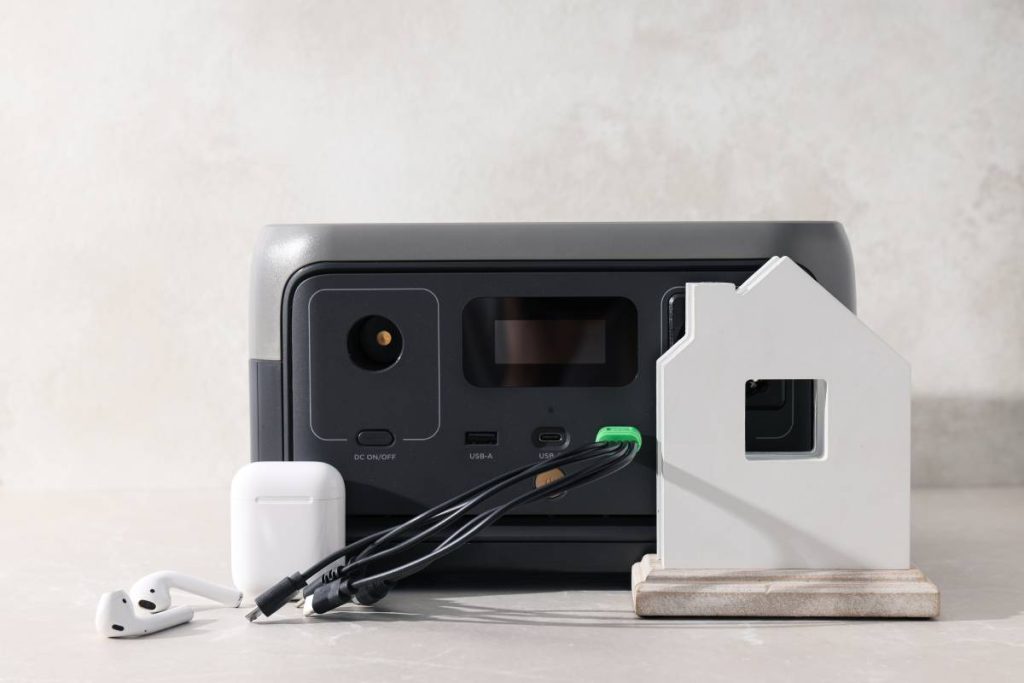
A home battery (like a Tesla Powerwall or LG Chem) is essentially a giant, rechargeable power bank for your house. It stores energy generated by your solar panels or, if programmed correctly, cheap off-peak electricity from the grid.
When a blackout hits, an Automatic Transfer Switch (ATS) instantly disconnects your home from the grid and starts drawing power from the battery. The transition is often so fast, your lights won’t even flicker.
The Pros and Cons of Battery Storage
| Pros | Cons |
| Silent & Clean: Zero noise, no fumes, and no ongoing environmental impact. | High Upfront Cost: $10,000 – $20,000+ installed, depending on capacity. |
| Solar Optimization: Maximizes your solar investment by storing excess daytime energy. | Limited Run-Time: You are capped by the battery’s kWh capacity, typically 12-24 hours for essential use. |
| Set-and-Forget: Fully automatic. No refuelling or routine maintenance needed. | Capacity vs. Demand: You must carefully manage which appliances are powered during a blackout. |
Standby and Portable Generators: The Reliable Workhorse
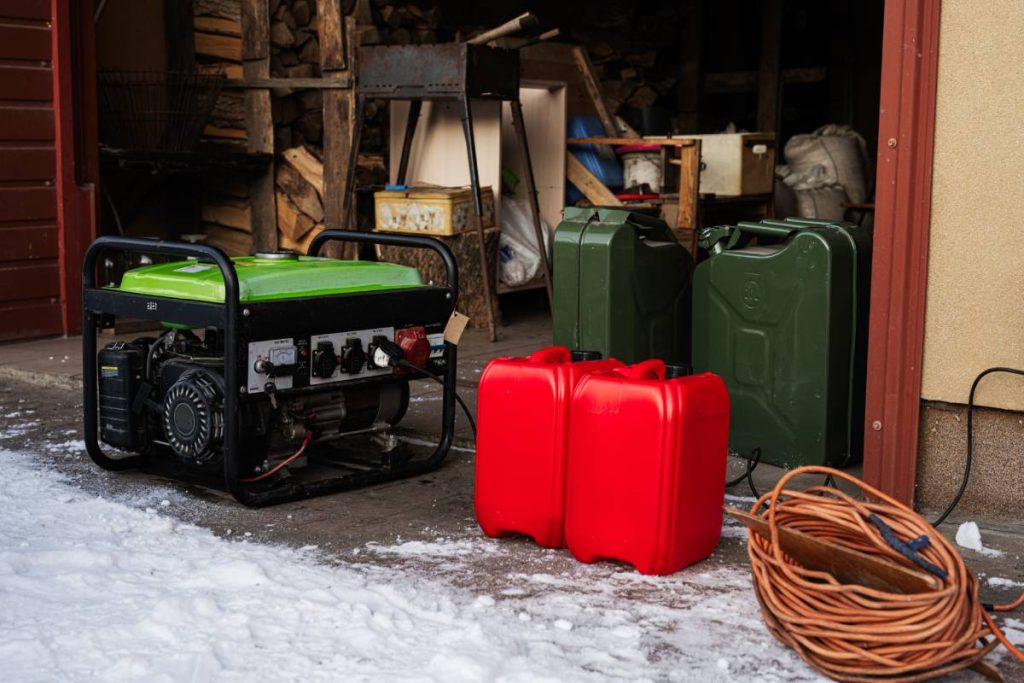
Generators come in two main forms: Portable and Standby. A portable generator is manually wheeled out, started, and appliances are plugged directly into it. A standby generator is permanently installed outside, connected to your home’s main electrical panel, and runs on natural gas, LPG, or diesel.
When a blackout occurs, a standby unit uses an ATS to detect the loss of utility power, starts itself automatically, and powers the house.
The Pros and Cons of Generator Power
| Pros | Cons |
| Unlimited Run-Time: As long as you have fuel, it will keep running—ideal for multi-day outages. | Loud Operation: Standby units are quieter than portable ones, but still produce significant noise (45-70 dBA). |
| Lower Upfront Cost: Portable options are very cheap ($500+). Even standby units are often cheaper than a battery ($5,000 – $15,000 installed). | Maintenance: Requires regular oil changes, fuel checks, and testing to ensure reliability. |
| High Power Output: Easily runs heavy appliances like multiple air conditioners and pool pumps. | Emissions & Fuel Storage: Requires safe storage of flammable fuel (petrol/diesel) or connection to a gas line. |
The Head-to-Head Comparison: 7 Crucial Factors
When making a decision, you must evaluate these seven critical factors through an Australian lens.
1. Upfront Cost & Installation
The generator is the undisputed winner here, especially if you opt for a basic portable model.
- Generator: Portable units start from A$500. A fully installed standby gas/diesel unit runs A$8,000 to A$15,000. For reliable installation and advice in the NSW region, you might consider reaching out to specialists like Reds Power Solutions in Sydney.
- Battery: Home batteries typically start at A$10,000 and can exceed A$25,000 for high-capacity models, installed.
- Installation Note: Keep in mind that labor costs can fluctuate based on your home’s layout. If electricians need to fish heavy cabling through a tight ceiling cavity or trench through a concrete driveway, your installation quote will likely increase.
2. Operating Cost & Run-Time
This is where the long-term economics flip.
- Generator: Running a 10kVA petrol generator can cost A$4 – A$6 per hour in fuel. For a 48-hour outage, that’s A$192 – A$288.
- Battery: Operating costs are essentially A$0, as the power is harvested free from the sun. The key limitation is capacity; once discharged, the power is gone until the sun recharges it.
3. Noise & Emissions
For suburban living, this factor is often a deal-breaker.
- Battery: Zero noise. You can run it 24/7 without annoying neighbors or violating council noise restrictions.
- Generator: Noise levels mean you usually can’t run them overnight. Fumes from petrol/diesel are also a major health and air quality concern.
4. Integration with Solar Power
If you have solar panels, a battery solution is the most logical choice.
- A home battery is designed to work with your solar inverter, allowing your panels to keep generating power and recharging the battery even during a blackout (a function most solar-only systems cannot do).
- A generator runs completely independently. It uses fossil fuels while your expensive solar array sits dormant during an outage.
5. Maintenance and Lifespan
- Generator: Requires fuel stabilizers, oil changes, spark plug checks, and exercise (running it for 30 minutes weekly) to ensure it starts when needed. Lifespan is measured in running hours.
- Battery: Virtually maintenance-free. Modern lithium-ion batteries often come with 10-year warranties and have a useful lifespan of 15+ years.
6. Power Quality
Computers and sensitive electronics require clean, stable electricity.
- Battery: Delivers perfectly clean, pure sine wave power that is far superior to the grid, protecting all your devices.
- Generator: Cheaper portable generators can produce “dirty” power (modified sine wave), which can damage sensitive electronics. Always opt for an inverter generator if going the generator route.
7. Convenience and Automation
- Battery: 10/10. It’s instant, automatic, and silent. You do nothing.
- Generator: A standby unit is 9/10 (automatic start). A portable unit is 4/10 (manual wheeling, fuelling, starting, and connecting are required).
Scenario-Based Verdict: Which One Should YOU Choose?
We know you want a straight answer. Use these common Australian scenarios to determine the best choice for your home.
Scenario 1: The Solar-Powered Homeowner
- You Have: A robust rooftop solar system.
- Your Goal: Maximize solar self-consumption and get blackout protection without consuming fuel.
- The Verdict: Home Battery (e.g., Tesla Powerwall, Sonnen). It’s a seamless addition that makes your solar assets functional during a blackout, providing silent, emission-free power. It’s an investment, but the long-term energy savings soften the blow.
Scenario 2: The Budget-Conscious Emergency Prepper
- You Have: No solar and only need power for the fridge, a few lights, and charging phones during occasional, short blackouts (under 24 hours).
- Your Goal: Lowest upfront cost to prevent food spoilage.
- The Verdict: Portable Inverter Generator. Purchase a high-quality inverter model for clean power. The manual effort is acceptable for occasional use, and the upfront savings are significant.
Scenario 3: The Semi-Rural Homeowner (Multi-Day Outages)
- You Have: A bore pump, a septic system, and a need to run the whole house (including air conditioning) for 3-5 days during storm or fire season.
- Your Goal: Uninterrupted, high-capacity power for an extended duration.
- The Verdict: Standby Generator (Gas or Diesel). Even a massive battery bank would struggle. The high output and unlimited run-time provided by fuel-based generation is currently the most practical and reliable solution for long-term, whole-house backup.
Conclusion: Securing Your Peace of Mind
The battle between the quiet innovation of the home battery and the brute force reliability of the generator ultimately comes down to your lifestyle, your solar setup, and your non-negotiables.
The trend is clear: batteries are the future. They are clean, silent, and integrate perfectly with a renewable energy home. However, generators still offer the most cost-effective and highest-capacity solution for those who need to power an entire home for extended periods.
By choosing the option that aligns best with your scenario, you are not just buying a power source; you are investing in peace of mind against Australia’s unpredictable weather and grid challenges.
Frequently Asked Questions (FAQ)
1. Does a home battery qualify for any Australian rebates or incentives?
Yes, several state and territory governments offer battery rebates or no-interest loan schemes (e.g., Victoria, NSW, South Australia) to lower the steep upfront cost. These are frequently updated, so check your specific state scheme and eligibility requirements before purchasing.
2. Can I use a generator to recharge my home battery?
Technically, yes, but it requires a specialized hybrid inverter and is generally inefficient. Generators are best used for direct AC power, and batteries are best charged via solar panels. Combining the two adds significant cost and complexity.
3. How much battery capacity (in kWh) do I need for my Australian home?
For backup power, most homes need 10kWh to 13.5kWh (the size of a typical Powerwall). This is enough to run essential circuits (fridge, lights, Wi-Fi, fans) overnight. If you need air conditioning or continuous hot water, you may need to double that capacity.